If medications haven’t helped, you’re not alone. Many people try one antidepressant after another, only to find their symptoms don’t lift, the relief fades over time, or the side effects are hard to live with. That experience can be exhausting and discouraging, but it doesn’t mean you’ve run out of options.
Treatment-resistant depression is the term clinicians use when depression hasn’t improved sufficiently after trying antidepressant medication, commonly after at least two different antidepressants taken at an appropriate dose and for an appropriate length of time. At TMS Greenwich in Cos Cob, we offer FDA-cleared NeuroStar® TMS, a non-drug, non-invasive treatment that may be appropriate for qualifying patients when medication or other traditional approaches haven’t been enough.
NeuroStar® TMS is typically used when antidepressant medications haven’t been effective, have stopped working, or as an alternative to medication.
TMS does not circulate through the body, so it avoids systemic side effects like weight gain, dry mouth or sedation.
No anesthesia and no memory loss. Sessions last 19 to 37 minutes and you can drive yourself home.
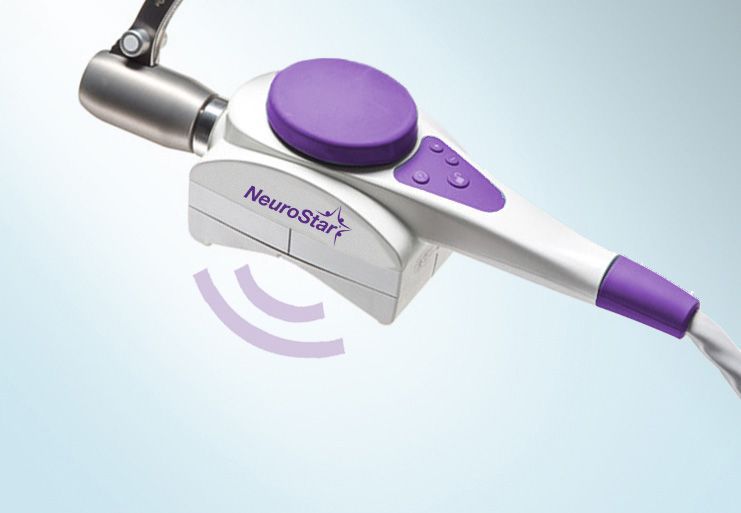
NeuroStar® uses gentle magnetic pulses to stimulate areas of the brain known to be underactive in people with depression. It works differently from medication, so it can offer a new path when pills haven’t been enough. NeuroStar® is FDA-cleared for depression, anxious depression and OCD, with options for adolescents and adults.
A short online questionnaire helps you reflect on your symptoms before you talk with us.
Talk with our team about your treatment history and questions. No obligation.
We verify your benefits, then you begin daily sessions in our calm Cos Cob office.
TMS Greenwich is a boutique NeuroStar® practice at 399 East Putnam Avenue in Cos Cob, a short drive for patients across Greenwich, Old Greenwich, Riverside, Stamford and nearby Westchester County. Eligibility depends on your treatment history, current symptoms and insurance requirements, so a conversation with our team is the best way to know if TMS is right for you.
It’s the term used when depression hasn’t improved sufficiently after trying antidepressant medication, commonly after at least two different antidepressants taken at an appropriate dose and duration.
TMS is typically used when antidepressant medications haven’t been effective, have stopped working, or as an alternative to medication. A free discovery call can help you understand whether NeuroStar® TMS is a fit for you.
No. NeuroStar® TMS is not electroconvulsive therapy (ECT). It does not require sedation or cause memory loss, and most patients drive themselves to and from sessions.
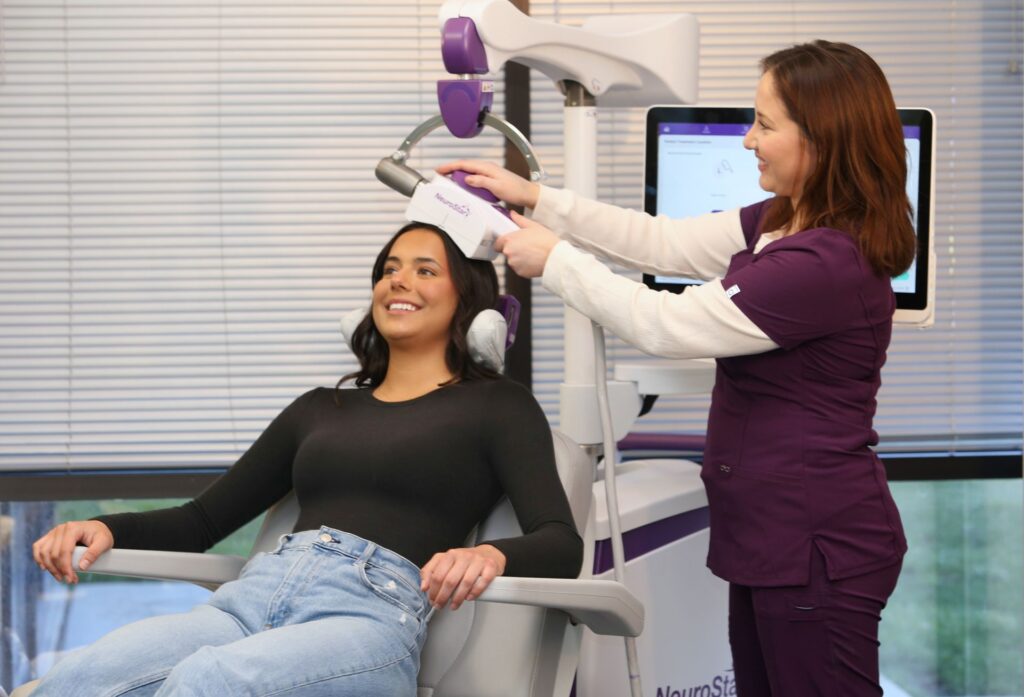
You sit comfortably while a small, curved coil rests on your head. You’ll hear a clicking sound and feel a tapping sensation. The most common side effects in clinical trials were headache and scalp discomfort, generally mild to moderate and less frequent after the first week.
A typical initial course is 19 to 37 minutes per session, daily, over 4 to 6 weeks.
A vast majority of commercial and Medicare plans now cover TMS Therapy for depression. Coverage and eligibility vary by plan, and we verify your benefits before your first appointment.
Schedule a free, no-obligation discovery call, or start with our short online TMS self-assessment.
Dedicated to helping you feel like you again with FDA-cleared NeuroStar® TMS Therapy in a calm, private Cos Cob office.
Copyright © 2026 TMS Greenwich. All rights reserved. Individual results may vary.